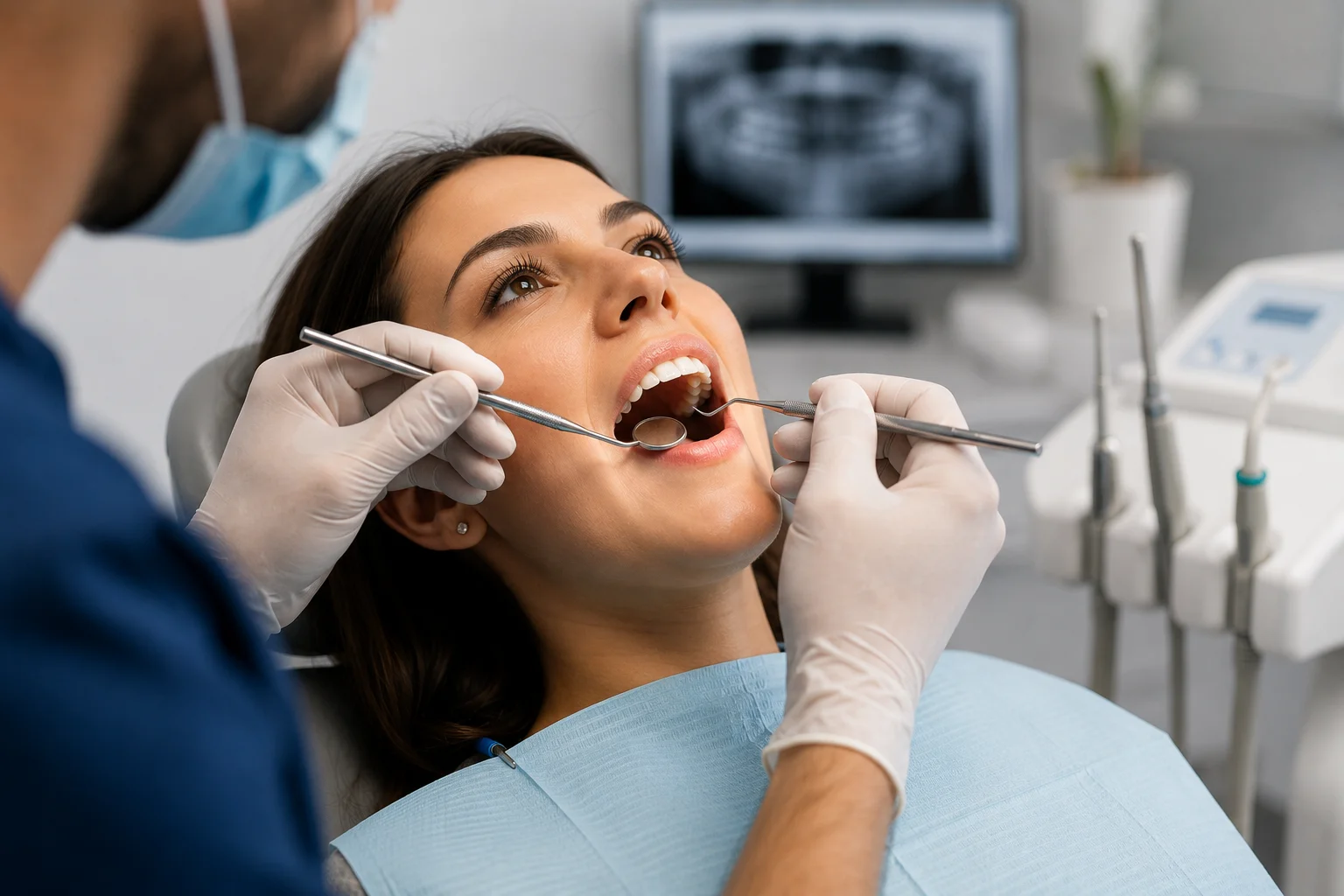
Not all oral health problems require treatment by the same specialist. When the gums or the tissues that support the teeth are affected, the appropriate specialist is a periodontist.
Many periodontal diseases progress gradually and, in their early stages, cause little discomfort. That is why recognizing the signs and seeking timely treatment is essential for preserving gum health and keeping your teeth in good condition.
In this article , you’ll learn what a periodontist does, what problems they treat, and when you should seek an evaluation.
What is a periodontist?
A periodontist is a dentist who specializes in the prevention, diagnosis, and treatment of diseases affecting the gums and the tissues that support the teeth, known as the periodontium. Their work focuses on preserving the health of these structures and preventing conditions such as gingivitis or periodontitis from progressing.
In the field of dentistry, this specialist is also involved in procedures related to the regeneration of periodontal tissues and in planning certain treatments, such as the placement of dental implants, when it is necessary to ensure adequate support for the teeth.
What is the difference between a dentist and a periodontist?
A general dentist provides comprehensive oral health care, performing checkups, routine treatments, and detecting potential gum problems. When a general dentist identifies periodontal disease or a condition that requires a more specialized approach, they may refer the patient to a periodontist.
For their part, periodontists specialize in the diagnosis and treatment of conditions affecting the gums and the tissues that support the teeth. Both professionals work together to maintain oral health and provide the most appropriate treatment for each case.
What conditions does a periodontist treat?
Periodontics focuses on the diagnosis, treatment, and follow-up of diseases that affect the gums and the tissues that support the teeth.
Some of these conditions may progress without symptoms, so early diagnosis is essential to prevent complications and maintain oral health.
Gingivitis
Gingivitis is the initial stage of periodontal disease and is characterized by inflammation of the gums, which may become red, bleed during brushing, or be more sensitive. With proper treatment and good oral hygiene, it is usually a reversible condition.
Periodontitis
When gingivitis is not treated promptly, it can progress to periodontitis. At this stage, the infection affects the tissues and bone that support the teeth, which can lead to tooth mobility and even tooth loss if not treated properly.
Gum recession
Gum recession is the receding of the gums, exposing part of the tooth root. In addition to affecting the appearance of your smile, it can cause tooth sensitivity and lead to other problems if left untreated.
Periodontal Maintenance
After treatment for periodontal disease, follow-up care is essential to maintain the results achieved. Regular checkups and professional cleanings help monitor the condition of the gums and reduce the risk of the disease recurring.
At Ilzarbe Dental Clinic, we use advanced techniques for this purpose, tailoring the maintenance plan to each patient’s needs to promote long-term stability of their periodontal health.
When should you see a periodontist?
Some gum problems may go unnoticed for a while, but that doesn’t mean they’re unimportant. If you experience certain symptoms, an evaluation by a periodontist in Valencia can help identify the source of the problem and begin the most appropriate treatment before the disease progresses.
Bleeding gums
Your gums should not bleed when you brush or floss. Although many people consider this normal, it is often one of the first signs of inflammation and may indicate the presence of periodontal disease.
Tooth Mobility
If one or more teeth begin to move without having been hit, it is important to see a specialist. Tooth mobility may be related to a loss of the support that holds the teeth in place and requires an evaluation as soon as possible.
Persistent bad breath
When bad breath persists despite good oral hygiene, it may be associated with gum disease. A periodontist can determine whether the cause of the problem is related to the buildup of bacteria in the periodontal tissues.
Inflammation or recession of the gums
Gums that are swollen, red, or appear to be receding—exposing more of the tooth—are signs that should be checked. In addition to affecting oral health, these changes can cause sensitivity and contribute to the progression of periodontal disease if left untreated.
What is the first visit to a periodontist like?
The purpose ofthe first visit is to evaluate the condition of the gums and the tissuesthat support the teeth in order to establish an accurate diagnosis. Based on this evaluation, the periodontist will be able to determine whether there is any periodontal disease and what the most appropriate treatment is in each case.
During the appointment, the specialist will perform a clinical examination to check for issues such as gum inflammation, bleeding, the depth of periodontal pockets, or possible tooth mobility. If necessary, the specialist may also order X-rays or other diagnostic tests to complete the diagnosis.
Once the evaluation is complete, the periodontist will explain the patient ’s periodontal health status and develop a personalized treatment plan. Depending on the needs of each individual case, this plan may range from hygiene guidelines and regular checkups to specific treatments, such as scaling to remove plaque and tartar accumulated below the gum line, with the goal of slowing the progression of the disease and preventing future relapses.
Can periodontal diseases be prevented?
In many cases, periodontal diseases can be prevented or detected before they cause significant damage. Good oral hygiene and regular checkups play a key role in maintaining healthy gums and reducing the risk of complications.
To do this, it’s a good idea to incorporate some basic care steps into your daily routine:
- Brush your teeth at least twice a day using the proper technique.
- Use dental floss or interdental brushes to remove plaque from between your teeth.
- Go for professional checkups and cleanings as often as recommended by your dentist.
- Avoid tobacco, as it is one of the main risk factors for periodontal disease.
- Consult a specialist if symptoms such as bleeding, swelling, or gum recession appear.
Rather than waiting until symptoms appear to take action, the key is to take care of your gums on a regular basis. Regular checkups allow you to detect any changes early and maintain good periodontal health in the long term.
Conclusion
Periodontal diseases can progress silently, so paying attention to the early symptoms is essential for protecting gum health and preserving your teeth in the long term. Early diagnosis and proper treatment make all the difference in preventing complications and maintaining good oral health.
At Ilzarbe Dental Clinic, we have a team specializing in periodontics that offers personalized diagnoses and treatment tailored to each patient’s needs. If you’ve noticed bleeding, swelling, or any other changes in your gums, we’d be happy to evaluate your case and help you restore your gum health.
¿Qué hace un periodoncista?
A dentist who specializes in the prevention, diagnosis, and treatment of diseases affecting the gums and the tissues that support the teeth.
¿Cuál es la diferencia entre un dentista y un periodoncista?
A dentist provides general oral health care, while a periodontist specializes in periodontal diseases such as gingivitis and periodontitis.
¿Cuándo debo acudir a un periodoncista?
It is advisable to see a dentist when symptoms such as bleeding gums, swelling, loose teeth, receding gums, or persistent bad breath appear, as these may indicate the presence of periodontal disease.
¿La gingivitis siempre evoluciona a periodontitis?
Not necessarily. If detected early and treated properly, gingivitis can be reversed before it causes more serious damage.
¿Se puede prevenir la periodontitis?
Yes. Good oral hygiene, regular checkups, and professional cleanings help reduce the risk of developing periodontal disease.